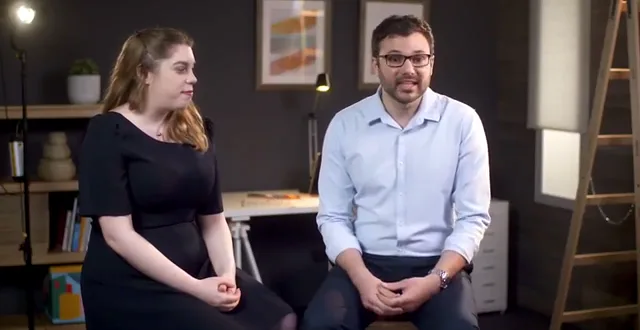
Two social anthropologists who lead every project in person
HIPOPOTESIS is a boutique strategic intelligence firm founded in 2017 in the mountains of Asturias, Spain. We work with companies facing decisions that carry real money and real risk, and we bring the tools of social anthropology to help them decide well.
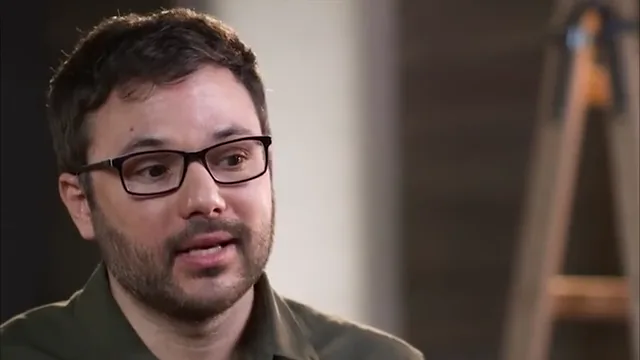
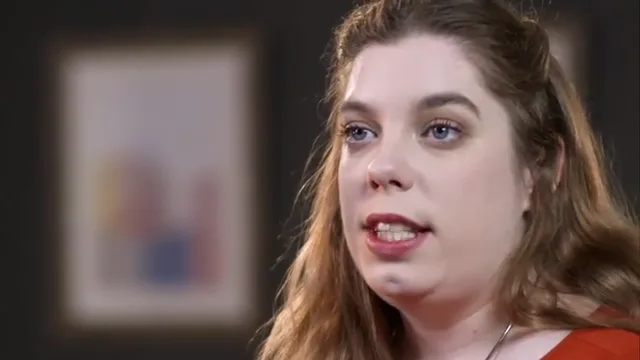
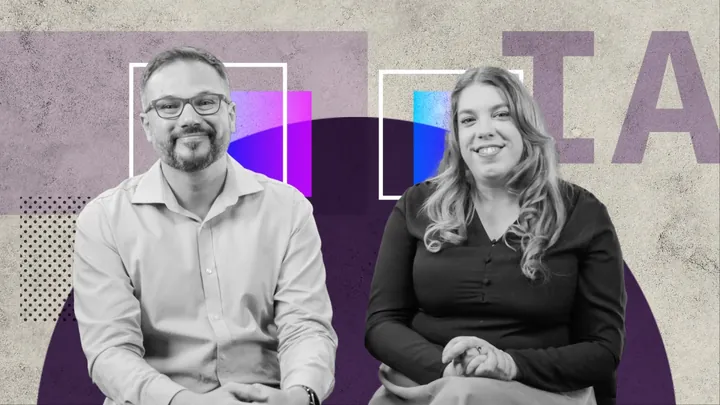
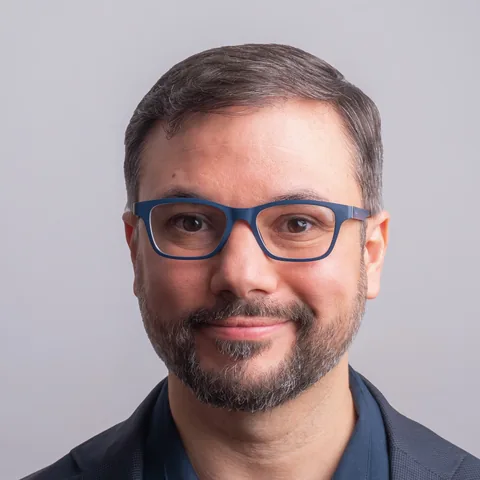
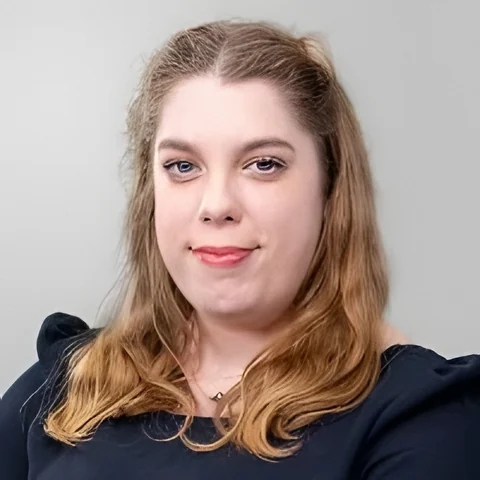
Abdo López and Norah Walsh, co-founders of HIPOPOTESIS
Our story
We started out trying to stop good ideas from failing
2016
A technology company
Months of validation, and the honesty to pivot.
Before HIPOPOTESIS there was a technology company. We spent months talking to the people we thought would use it, and what we heard didn’t match what we had built. So we stopped, and we pivoted. It’s a small thing to write and a hard thing to live, and it taught us what it feels like to be on the other side of a research finding, with your own money and months on the table.
2017
HIPOPOTESIS | Aprende a Emprender
A blog on Lean Startup and Design Thinking, from Asturias.
We had spent a whole day trying to name what came next. Dozens of options, all sensible, none memorable. Late in the afternoon Norah said “hipopotesis” and Abdo laughed, the way you laugh at something you’re about to discard. Then he stopped. Of everything on the list, it was the only name that had made either of us feel anything, and it carried the idea we cared about most: every plan starts as a hypothesis, and somebody has to go and check. HIPOPOTESIS opened in 2017, in the mountains of Asturias, as a blog about how to build a company with Lean Startup and Design Thinking.
2019
Research for founders
Classes, workshops, an accelerator, validation for early teams.
Writing turned into teaching, and teaching turned into doing. We ran classes and workshops, trained founders in qualitative research, went through one of Spain’s larger accelerators ourselves, and then started running the research for the teams instead of only showing them how. The goal was simple and slightly stubborn: fewer startups dying from questions nobody asked in time. We loved that work, and it also taught us the thing that changed our direction: early-stage teams need far more time and accompaniment than they can pay for, and the research we were proudest of belonged next to decisions that could carry its weight.
2022
HIPOPOTESIS | Strategic Market Research
Studies for global brands. H3™ took shape here.
So we took the same way of working to larger companies, as HIPOPOTESIS | Strategic Market Research for global brands: studies across countries, languages and industries, for organisations whose choices moved budgets, launches and entire market entries. Those were the years that turned our habits into a method: qualitative, quantitative and social listening kept answering different halves of the same question, and reading them separately kept losing the answer. H3™ came out of that.
Since2025
HIPOPOTESIS | Insight-led Strategic Intelligence
Research built around the decision. We turned down an acquisition to stay independent.
Which brings us here. Somewhere along the way we were offered the chance to be acquired. It was a good offer from a good company, and we said no, because we would have dissolved inside it and the way we work would have gone with us. We’d rather grow alongside our clients than inside somebody else’s structure. Insight-led strategic intelligence is our name for research designed around the decision from day one, and this website exists because that work needs more room to explain than a single page. Same two anthropologists, same curiosity, much bigger questions.
The founders
Abdo López & Norah Walsh
We both design, run and read the research ourselves, and between us we run the company too. This is who you’ll be working with.
Co-founder & CEO
Abdo López
Social & Cultural Anthropologist
Abdo is a researcher who also runs the company, and the order matters. He designs studies, recruits, works in the field, analyses and writes the report, and before any of that he settles the question the brief is really asking. He also carries the parts nobody sees on a slide: budgets, timelines, vendor contracts, hiring, the technology we work with, and the final responsibility for what reaches you.
What Abdo leads
The question behind the brief, and the design that answers it
Fieldwork, analysis and reporting, hands on the work
Quality supervision across every part of the company
Budgets, timelines, contracts, technology and hiring
Final accountability to you, from first call to last slide
Where he goes deep
Business anthropology and strategic market research
Quantitative methods and social listening, enough to read and challenge both
Technology and digital products: tools, data workflows and interfaces tested with users
Writing and speaking as The Market Anthropologist
Fascinated byWhere technology, the social sciences, business and strategic market research meet.
Coming soon: abdolopez.com | The Market Anthropologist
Co-founder & Head of Research
Norah Walsh
Social & Cultural Anthropologist
Norah heads research. She designs the fieldwork, moderates it, analyses what comes back and decides what each finding is allowed to claim. She also runs the research teams and the schedule, which in practice means holding two things together that usually pull apart: the depth a question deserves and the date we promised you.
What Norah leads
Fieldwork design, recruitment and moderation
The qualitative lens, and the research team behind it
The H3™ working groups and how they coordinate
Quality standards and delivery dates, project by project
What the evidence can and cannot be made to say
Where she goes deep
Qualitative market research and business anthropology
Design thinking, lean philosophy and futures studies
UX and UI research, and human centred design
Qualitative analysis, visualisation and computational social science tools
Fascinated byWhere technology, social impact, human centred design and futures studies meet.
Every kind of firm on this map is strong at something. Pick one to see its strengths, where it runs thin, and how our work differs.
Strategic decision authority
Authority without evidenceStrategic intelligence built on H3™ evidenceOperational, low strategic impactEvidence without strategic reach
Blue ocean
An uncrowded corner of the market
Many firms choose between depth and decisions: research that stops at the data, or strategy with little evidence underneath. This corner asks for both, and few firms build a senior team that can read people, numbers and conversations together. H3™ is how we hold it.
For the record, hippos can’t swim. They walk along the riverbed, which is roughly how we like to work: under the surface, with our feet on the ground.
Evidence-led custom research
Pick any kind of firm on the map to compare it with ours.
Kind of firm
Top tier strategy consultancies
Trusted in the boardroom, and usually a long way from the customer.
What the model does well
Relationships at C level, and packaging that lands there
Cross industry pattern matching at scale
Frameworks that structure a messy problem fast
Where it runs thin
Delivery often sits with junior teams at senior prices
Little direct contact with the people the decision affects
The framework arrives before the evidence does
How we differ
We bring the same strategic authority, built on evidence gathered from real people for your question, instead of a template that has travelled from another industry.
Kind of firm
Big 4 advisory firms
Enormous reach, with strategy bundled next to audit, tax and technology.
What the model does well
Global coverage and very deep operational benches
A single supplier for many kinds of work
Procurement relationships already in place
Where it runs thin
Generalists, so human insight is one service among dozens
Delivery teams are large and often junior heavy
Primary ethnographic capability is limited
How we differ
Strategic intelligence rooted in human evidence is the only thing we do, and the two founders are in the room for all of it.
Kind of firm
Anthropological boutiques
Real depth, through one lens by design.
What the model does well
Ethnographic and cultural reading of genuine quality
Senior attention on a small number of projects
Semiotics and meaning making done properly
Where it runs thin
Qualitative only, so scale is asserted rather than measured
Little or no real-time reading of social conversation
Smaller recruitment reach across countries
How we differ
H3™ keeps that ethnographic depth and adds quantitative weight and live social signal, so what you take to the board carries both meaning and size.
Kind of firm
Innovation and design consultancies
Design research, aimed at what gets built rather than what gets decided.
What the model does well
Strong design research and rapid prototyping
Service and experience design expertise
Deliverables you can put in front of a team tomorrow
Where it runs thin
Built for execution more than for the decision behind it
Quantitative and cultural rigour is usually lighter
Outputs speak to product teams, less to the board
How we differ
We answer the question that comes before design: what is worth building, for whom, and on what evidence. The design work lands better afterwards.
Kind of firm
Market research giants
Volume, panels and methods, kept in separate departments.
What the model does well
Recruitment networks and panels of real scale
Syndicated data and continuous tracking products
Established quantitative machinery
Where it runs thin
Execution is templated and largely junior led
Qualitative, quantitative and social sit in different teams
Outputs read as data, and the decision is left to you
How we differ
Senior led, custom and fused. H3™ exists so the three readings meet before they reach you, in one narrative instead of three reports.
Kind of firm
AI research platforms
Fast, cheap, and available to your competitors on the same terms.
What the model does well
Speed and scale at very low cost
Automated processing and instant dashboards
Genuinely useful for narrow, repeatable questions
Where it runs thin
No senior judgement deciding what the data means
Nuance and context are the first things lost
Whatever you can buy, so can everyone else
How we differ
We use AI where it earns its place and say so, and we keep the interpretation human. Our AI Manifesto sets out exactly where the line sits.
Kind of firm
Independent researchers and academics
Excellent expertise, without the infrastructure around it.
What the model does well
Deep specialisation, often at academic standard
Methodological rigour and genuine curiosity
Pioneers of methods the industry adopts later
Where it runs thin
One person sets the ceiling on scope and speed
No multi method team to triangulate a finding
Outputs are rarely framed as business decisions
How we differ
The same rigour, with a senior team around it and a report written for the decision instead of for the discipline.
Blue ocean
HIPOPOTESIS
Insight-led strategic intelligence, built on H3™ evidence.
What we hold together
Two founding anthropologists leading in person, with one senior per lens
H3™: Human Stories, Heartbeat and Hard Evidence, fused into one reading
Bespoke from scratch, designed around your decision and your market
Fieldwork in country and in language, with our own seniors moderating
A fixed price and a timeline before anything starts
Why the corner stays empty
Holding qualitative depth, quantitative weight and live social listening in one senior team is slow to build, and it doesn’t scale by hiring juniors. That’s why so few firms try.
LinkedIn Learning
Seven courses, and more than 100,000 learners
We teach in Spanish, on the subjects we work with every day: generative AI and its biases, technology, data, and how to find patterns in information.
Instructor pagesEvery course, in one placeEverything we have published on LinkedIn Learning, and the new courses as they come out. All in Spanish so far.Abdo LópezNorah Walsh
Read this before you hire anyone
How we work, where we draw the line, and how we check it
A recommendation is only worth the work behind it. These four pages explain ours.
Something else on your mind? Ask us directly. You’ll get an answer from the people who would run the work.
01Who founded HIPOPOTESIS?
Abdo López and Norah Walsh, two social and cultural anthropologists from the first graduating class of Social and Cultural Anthropology at the University of Granada. They founded HIPOPOTESIS in 2017 in Asturias, Spain, and still lead every project in person: Abdo as CEO, Norah as Head of Research.
02Where is HIPOPOTESIS based, and where do you work?
Our base is in Gijón, Asturias, in the north of Spain. The work happens wherever your market is: we have run local fieldwork in 25 countries and work in six languages, with recruiters and moderators who share the participants’ language and culture.
03Why is the company called HIPOPOTESIS?
It’s a play on “hipótesis”, Spanish for hypothesis, with a hippo inside it. Norah suggested it at the end of a long day of naming, and it stuck because it carried the idea we care about most: every plan starts as a hypothesis, and somebody has to go and check. The hippo with glasses is Hype, and checking is his job.
04How big is the team?
Small on purpose. The two of us lead every project, with senior specialists around us who each have ten years or more in their discipline, plus local recruiters, moderators and audited partners brought in for each study. There is no junior team for your project to be handed to.
05Are you independent?
Yes. We were offered the chance to be acquired and turned it down to stay independent, because the way we work wouldn’t have survived inside a larger structure. We’d rather grow alongside our clients.
06What does social anthropology bring to market research?
A way of looking at people in their context: what they say, what they do and what they mean, which are often three different things. In practice it means fieldwork in the country and the language, studies designed to prove a plan wrong as well as right, and findings read against the culture they come from.
07Do you still teach?
Yes. Abdo and Norah have published seven courses in Spanish on LinkedIn Learning, taken by more than 100,000 people, and they teach at universities, business schools, accelerators and public programmes across Spain. Teaching keeps the method honest, because students ask the questions clients are too polite to ask.
The first conversation is with the two of us
Tell us the decision you’re facing. We’ll tell you which lenses it needs and what it takes, with a fixed price and a date we commit to. If you don’t need us, you’ll hear that first.
01You get in touchBy email, through the form or on a video call, whichever suits you.
02We ask for the briefEvery detail we need, so the proposal is shaped around what you actually require.
03We design the proposalThe approach that answers your objectives, with the timeline and the budget.
04Approval, and we beginYou sign off, the paperwork is settled, and the work starts.